November 18, 2026
A solid base supports the entire structure of any residential or commercial building. Without structural integrity, a property faces severe risks that compromise safety and value. Foundations endure immense pressure from soil, water, and building materials over time. Weather variations cause ground expansion and contraction, putting stress on materials. Property owners must remain vigilant and monitor the structural health of their buildings. Catching problems in the initial stages prevents catastrophic structural failures.
Overlooking minor defects leads to substantial structural deterioration. Building owners must recognize the warning signs of base instability to address issues before damage spreads. When warning signs appear, seeking professional assistance becomes imperative. Hiring professionals ensures a thorough evaluation and correct remediation. Knowing when to secure concrete foundation services separates proactive property managers from those facing disastrous collapses. Prompt intervention saves resources and preserves the structural integrity of the property.
1. Identifying Cracks Along Exterior Walls
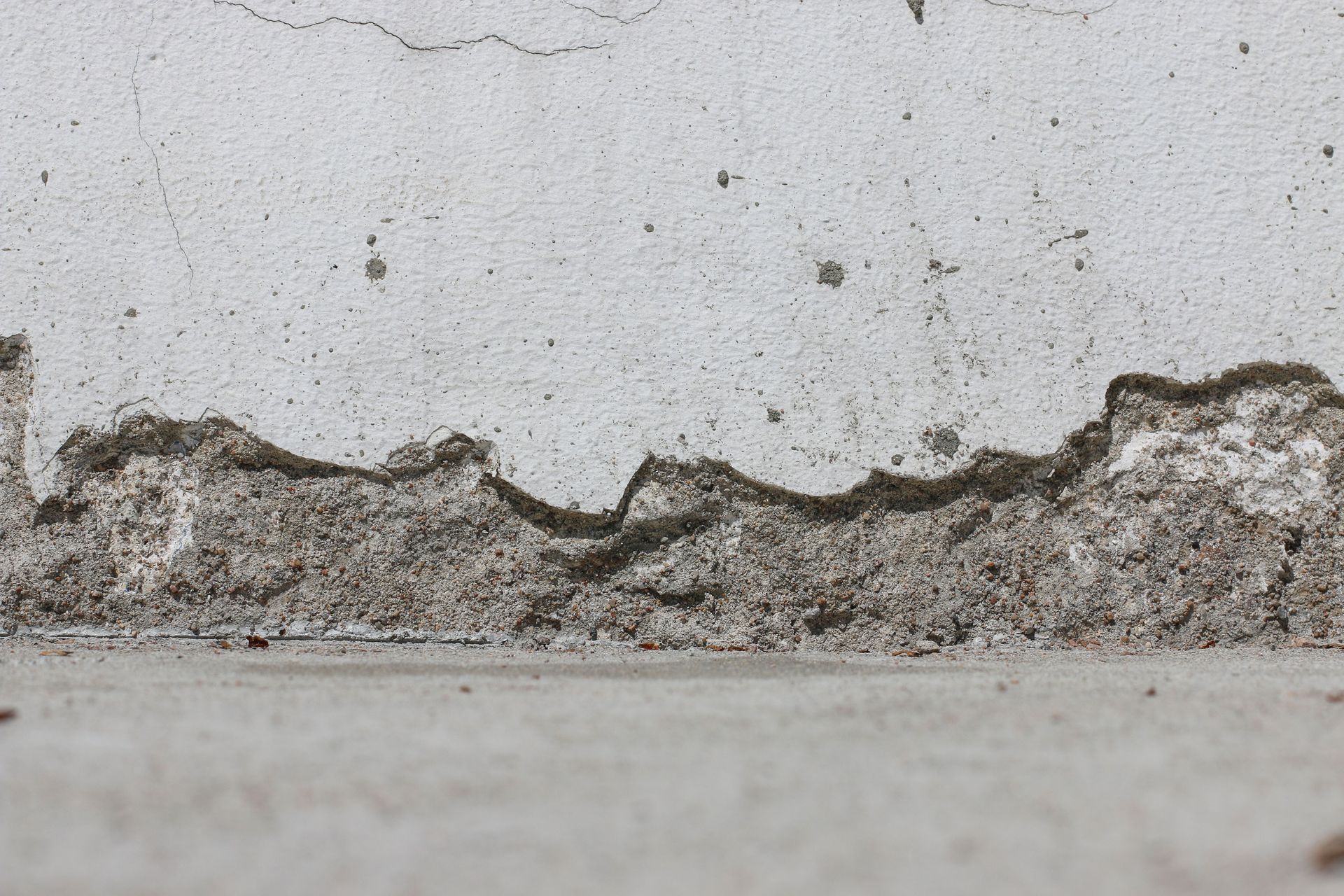
Visible fissures on the outside of a building indicate underlying base movement. Small hairline fractures seem harmless at first glance, but these lines expand over time. Soil shifting pulls the building structure apart, resulting in visible breaks in the masonry. Homeowners noticing vertical or horizontal lines must take immediate action. Horizontal fractures signal severe pressure from surrounding soil pushing inward against the home.
Water infiltrates these external openings with ease, worsening the situation. During rainy seasons, moisture seeps into the fractures and erodes the internal materials. Freezing temperatures cause trapped water to expand, widening the gaps. This constant cycle weakens the structural integrity of the property. Monitoring exterior blockwork helps owners catch issues before fractures widen into massive breaks.
A proactive approach involves routine inspections around the perimeter of the home. Property managers should walk the property line and examine the lower perimeter walls. Documenting changes with photographs provides a clear record of structural deterioration. Small changes over a single season indicate a need for professional evaluation. Ignoring these initial symptoms allows structural damage to escalate into a severe hazard.
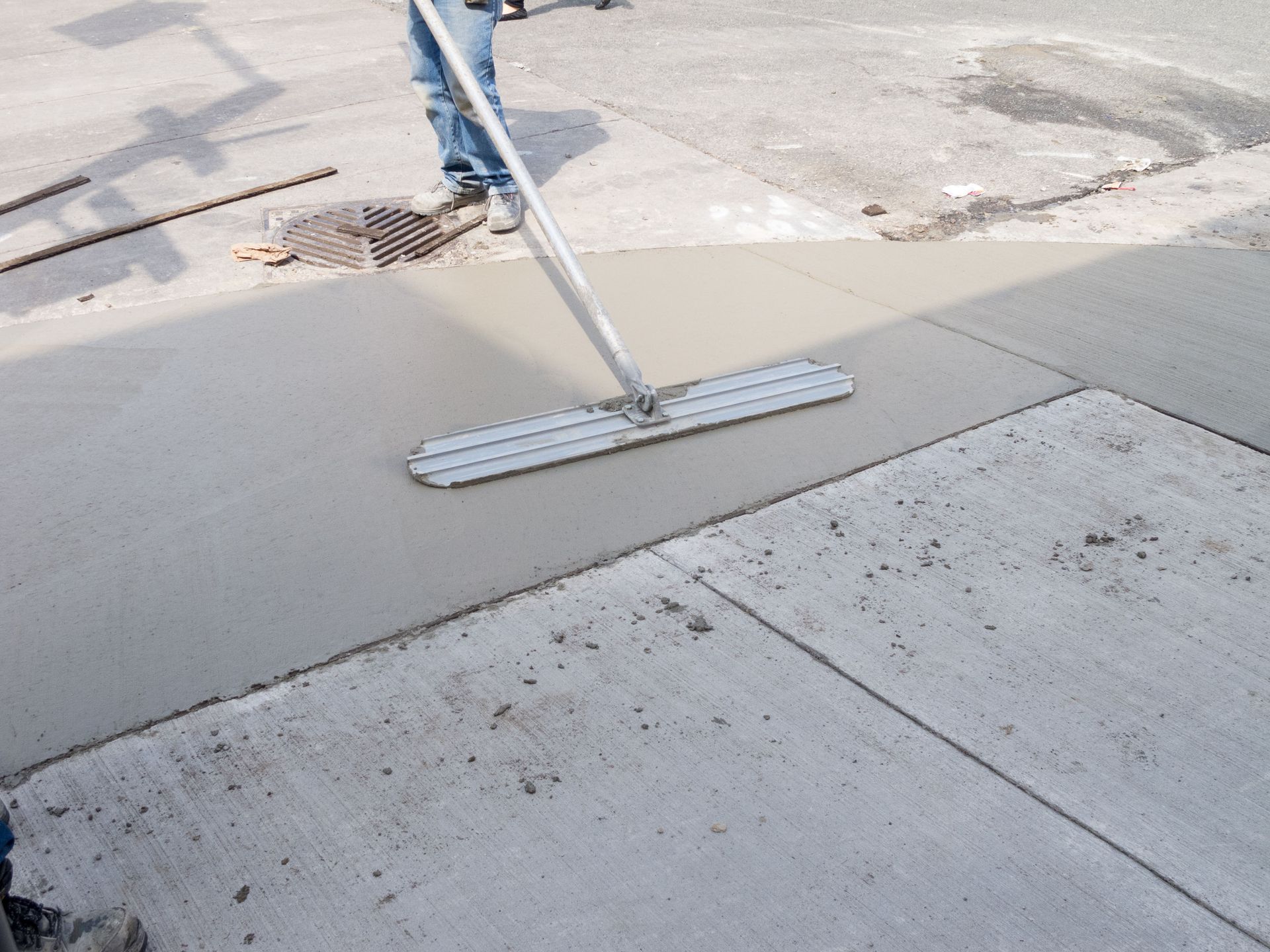
When fractures exceed the width of a coin, structural intervention becomes necessary. Professional evaluations determine whether the fractures stem from normal settling or severe base failure. Depending on the severity, contractors install piers to stabilize the shifting structure. Property owners securing concrete foundation services obtain long-term stability for the building. Immediate action repairs current damage and fortifies against future ground shifts.
2. Detecting Moisture Inside Basement Areas
Dampness in the lowest level of a building serves as a major warning sign. Water accumulation signifies that the external barrier has failed to keep moisture out of the home. A musty odor precedes visible puddles, alerting residents to hidden water intrusion. Walls show dark patches or peeling paint where moisture penetrates the surface. These signs point to compromised barriers beneath the ground level.
Hydrostatic pressure pushes water through microscopic pores in the building materials. As soil absorbs rainwater, the ground swells and presses against the underground walls. The immense weight forces moisture through any available weak point in the structure. According to Concrete Financial Insights, the U.S. concrete production and delivery industry reached $67 billion in 2025. This vast industry produces materials meant to withstand water, but age and pressure compromise installations.
Persistent moisture breeds mold and compromises indoor air quality for the inhabitants. Mildew thrives in dark, damp environments and poses severe health risks to occupants. Continuous water intrusion degrades wood supports and metal fasteners within the structure. Residents notice efflorescence, a white powdery substance left behind when water evaporates from the walls. This mineral deposit confirms that water permeates the structural boundaries.
Addressing basement dampness requires more than internal waterproofing paint. The root cause lies in external pressure and structural vulnerabilities beneath the soil. Professionals assess the gradient of the yard and the integrity of the external barriers. By enlisting concrete foundation services, homeowners ensure proper exterior drainage and structural sealing. Correcting the underlying structural faults keeps the lowest levels dry and secure.
3. Spotting Unevenness Across Floor Surfaces
Sloping floors indicate a severe shift in the underlying support system. When residents drop a round object and it rolls across the room, the structure is no longer level. Floors squeak or feel bouncy underfoot, signaling a detachment from the joists below. A sinking base pulls the subfloor down, creating noticeable dips and slopes in living areas. This unevenness disrupts daily activities and poses tripping hazards.
The causes of sloping floors originate beneath the soil. Poor soil compaction before construction leads to uneven settling over the years. Tree roots disrupt the soil composition, drawing moisture away and causing the ground to shrink. As the earth recedes, sections of the base lose support and sink downward. The building follows this downward trajectory, warping the interior framing.
Interior finishes suffer immense stress when the base settles at an angle. Hardwood boards buckle or separate, creating gaps in the flooring surface. Ceramic tiles crack under the uneven pressure, requiring expensive interior replacements. Baseboards detach from the wall, leaving visible spaces that indicate structural movement. Homeowners mistake these issues for poor flooring installation rather than recognizing the root structural failure.
Lifting a settled building requires specialized equipment and structural knowledge. Technicians use hydraulic jacks and steel piers to elevate the sunken sections back to a level position. Attempting cosmetic fixes on the floors hides the symptom without curing the disease. Property managers utilizing concrete foundation services stabilize the base to prevent further sinking. Restoring the structural level protects interior investments and maintains property value.
4. Observing Gaps Around Window Frames
Windows and doors that stick or fail to close flush point to structural shifting. As a building settles out of balance, the rigid frames twist out of alignment. Residents notice drafts entering through small spaces near the window sashes. Latches on doors fail to align with strike plates, preventing secure locking. These framing distortions happen because the support below has moved out of its original position.
The structural framing relies on a level base to remain square and plumb. When a corner of the building drops, it creates a diagonal pull across the wall surfaces. This tension warps the rectangular openings designed for doors and windows. Caulking cracks around the exterior trim provides a temporary weather seal but fails to stop the ongoing movement. The shifting continues until the base receives adequate stabilization.
Visible separations between brick siding and window frames highlight severe structural tension. Water enters these unsealed gaps, leading to wood rot within the wall cavities. The structural shift compromises the energy efficiency of the home, letting conditioned air escape. Residents experience higher utility bills as heating and cooling systems work with more effort to compensate. Restoring the structural alignment resolves these secondary issues at the source.
Fixing sticking doors by shaving the wood provides a temporary bandage. The core issue worsens as the earth continues to shift beneath the building. Professional contractors measure the structural deflection and determine the best stabilization method. By contracting concrete foundation services, property owners realign the structural framing and eliminate the binding in doors and windows. Permanent structural support ensures all building components function as intended.
Every property requires a solid footprint to endure decades of environmental stress. From visible wall fractures to warped window frames, the building communicates its structural needs. Prompt professional intervention halts structural decline and restores stability to the property. Investing in
concrete foundation services provides peace of mind and secures the physical structure. Proactive maintenance ensures the building stands strong for future generations. When you notice any of these structural warning signs, let our team at Pro-Active Concrete, Inc evaluate your property. We provide comprehensive concrete foundation services to stabilize your building and secure your investment for the future.